

Wisdom teeth, also known as third molars, are the last teeth to erupt, typically appearing in the late teens or early twenties. While some people's wisdom teeth emerge without issue, for many, they can cause a variety of problems, often necessitating wisdom tooth removal. Understanding when is it necessary to get your wisdom teeth removed, the potential problems caused by wisdom teeth, and what to expect during and after wisdom tooth removal can help you prepare for this common tooth extraction procedure.
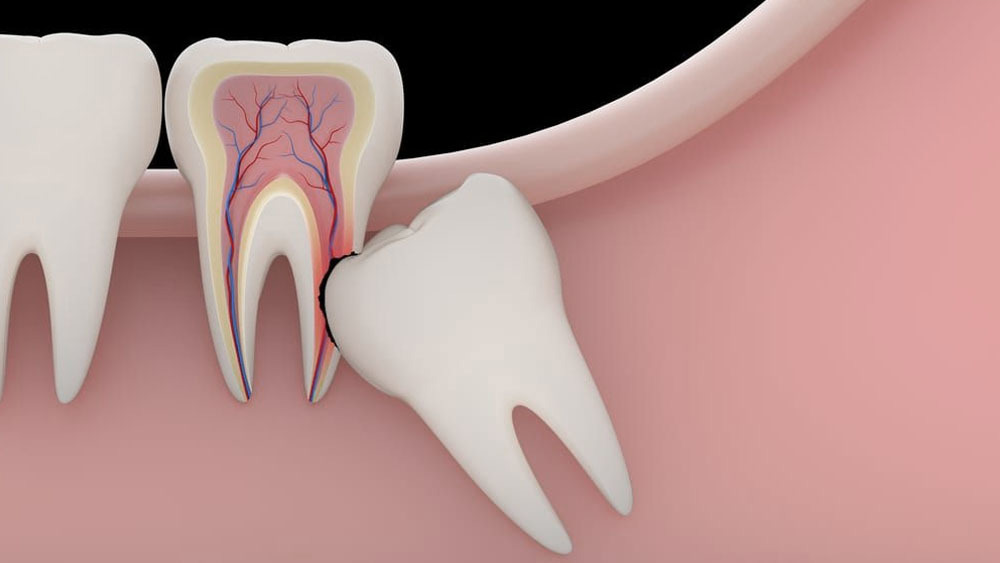
So, when is it necessary to get your wisdom teeth removed? The decision to recommend wisdom tooth removal is usually made by a dentist or oral surgeon based on X-rays and an examination of your mouth. The most common reason for removal is when the wisdom teeth are impacted wisdom teeth. This means they don't have enough room to erupt properly and become trapped beneath the gum line or bone, or they may emerge at an awkward angle.
Impacted wisdom teeth can lead to several potential problems caused by wisdom teeth. Because they are difficult to clean when partially or fully impacted, they are prone to developing cavities, even if the surrounding teeth are healthy. The trapping of bacteria around an impacted tooth can also lead to infections, causing pain, swelling, and stiffness in the jaw. This is often referred to as pericoronitis. Furthermore, the pressure from an impacted wisdom tooth pushing against neighboring teeth can cause damage, leading to misalignment or increasing the risk of decay in the adjacent tooth. In rare cases, cysts or tumors can form around impacted wisdom teeth.
Even if wisdom teeth erupt fully, their position at the very back of the mouth can make them hard to clean effectively, increasing the risk of cavities and gum disease in that area. If wisdom teeth contribute to overcrowding or bite problems, their removal may also be recommended as part of orthodontic treatment.
Therefore, wisdom tooth removal is generally necessary when the wisdom teeth are impacted, causing pain, infection, or damage to adjacent teeth, or when they are contributing to other oral health issues that cannot be resolved by other means. Your dentist will evaluate your specific situation and advise you on the best course of action.
Knowing what to expect during and after wisdom tooth removal can help ease anxiety. The procedure is typically performed by an oral surgeon, though some general dentists also perform simple extractions. Depending on the complexity of the impaction and your anxiety level, the procedure can be done under local anesthesia, sedation, or general anesthesia. The surgeon will make an incision in the gum tissue, and if the tooth is impacted in bone, some bone may need to be removed. The tooth may be removed in sections to minimize the amount of bone removal required. Once the tooth is out, the site is cleaned, and sutures may be used to close the gum tissue.
After wisdom tooth removal, you can expect some swelling, bruising, and discomfort. Pain medication will be prescribed to manage this. It's important to follow the post-operative instructions provided by your surgeon carefully. This usually includes controlling bleeding by biting on gauze, managing swelling with ice packs, eating soft foods, avoiding strenuous activity, and keeping the surgical site clean. Avoiding smoking and using straws is crucial as they can dislodge the blood clot and lead to a painful condition called dry socket. Healing typically takes a few weeks.
In conclusion, wisdom tooth removal is a common tooth extraction procedure often necessary due to impacted wisdom teeth and the potential problems caused by wisdom teeth that can arise. Understanding when is it necessary to get your wisdom teeth removed and being aware of what to expect during and after wisdom tooth removal can help you feel prepared. While it's a surgical procedure, it's often crucial for preventing future pain, infection, and damage to your other teeth, contributing to better long-term oral health. Consult with your dentist or oral surgeon to determine if wisdom tooth removal is the right step for you.