

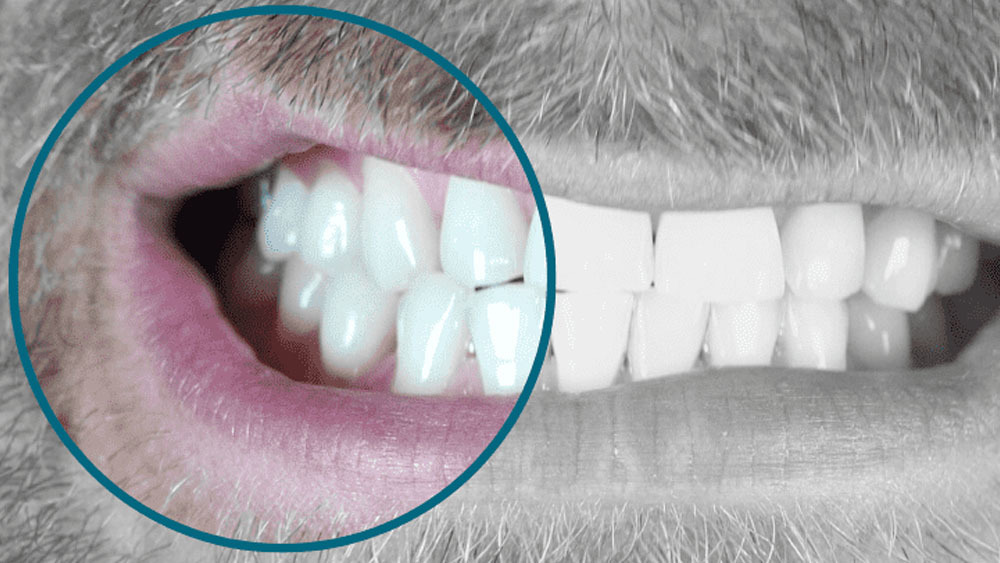
Bruxism, commonly known as teeth grinding, is a condition characterized by the clenching or grinding of teeth, often unconsciously. While some people may experience bruxism during the day, it most frequently occurs at night, referred to as night grinding. This involuntary habit can lead to a range of dental and physical problems if left untreated. Understanding what is bruxism (teeth grinding) and how is it treated is crucial for managing its effects and finding relief from associated discomfort. This guide will explore what are the symptoms of bruxism (teeth grinding), discuss effective treatment options for teeth grinding, and provide insights on how to stop grinding your teeth at night.
What is bruxism (teeth grinding)? It's a parafunctional activity, meaning it's a movement that is outside the normal functions of chewing, speaking, or swallowing. The forces exerted during grinding and clenching can be significantly stronger than those used for eating, putting excessive stress on the teeth, jaw muscles, and temporomandibular joints (TMJ). While the exact cause of bruxism is not always clear, it is often linked to stress, anxiety, sleep disorders (like sleep apnea), abnormal bite alignment, or certain medications.
Recognizing what are the symptoms of bruxism (teeth grinding) is the first step towards diagnosis and treatment. Many people are unaware they grind their teeth, especially if it happens during sleep. Often, a partner or family member might notice the grinding sounds at night. However, there are several other signs to look out for:
● Worn-down or flattened teeth
● Chipped or fractured teeth
● Increased tooth sensitivity
● Jaw pain or tightness in the jaw muscles
● Fatigue in the jaw muscles
● Headaches, especially in the temples
● Earaches (though the ear itself may be fine)
● Damage to the inside of the cheek caused by biting
● Indentations on the tongue
If you suspect you might be experiencing these symptoms, it's important to consult with your dentist. They can examine your teeth for signs of wear and assess your jaw muscles and joints.
Fortunately, there are several effective treatment options for teeth grinding. The most common and often first line of treatment is the use of a night guard or occlusal splint. This is a custom-fitted appliance, typically made of plastic, that is worn over the teeth while sleeping. It acts as a barrier, protecting the teeth from the forces of grinding and clenching and helping to relax the jaw muscles.
Addressing the underlying cause of bruxism is also a key part of treatment. If stress or anxiety is a factor, stress management techniques such as exercise, meditation, yoga, or therapy can be beneficial. If sleep apnea is suspected, a sleep study and appropriate treatment for the sleep disorder are necessary. In cases of bite misalignment, orthodontic treatment or restorative dental work may be recommended to correct the bite and reduce grinding.
For those wondering how to stop grinding your teeth at night, while a complete cure isn't always possible, certain strategies can help reduce the frequency and severity of night grinding. Practicing relaxation techniques before bed, avoiding caffeine and alcohol in the evening, and establishing a regular sleep schedule can all contribute to better sleep and potentially less grinding. Being mindful of clenching your jaw during the day and consciously trying to keep your teeth slightly apart can also help reduce daytime bruxism.
In some cases, particularly if muscle spasms are severe, muscle relaxant medications may be prescribed for a short period. However, this is typically a temporary solution. Biofeedback, a technique that uses monitoring devices to teach you to control involuntary muscle activity, has also shown promise in treating bruxism.
In conclusion, bruxism, or teeth grinding (night grinding), is a prevalent condition with potentially damaging effects on oral health and overall well-being. Recognizing what are the symptoms of bruxism (teeth grinding) is the first step towards effective management. With various effective treatment options for teeth grinding available, from night guards to addressing underlying causes, relief is often achievable. While finding a definitive answer to how to stop grinding your teeth at night can be challenging, a combination of protective appliances, stress management, and addressing contributing factors offers the best chance for reducing grinding and protecting your smile. If you suspect you grind your teeth, consult with your dentist for a proper diagnosis and personalized treatment plan.