

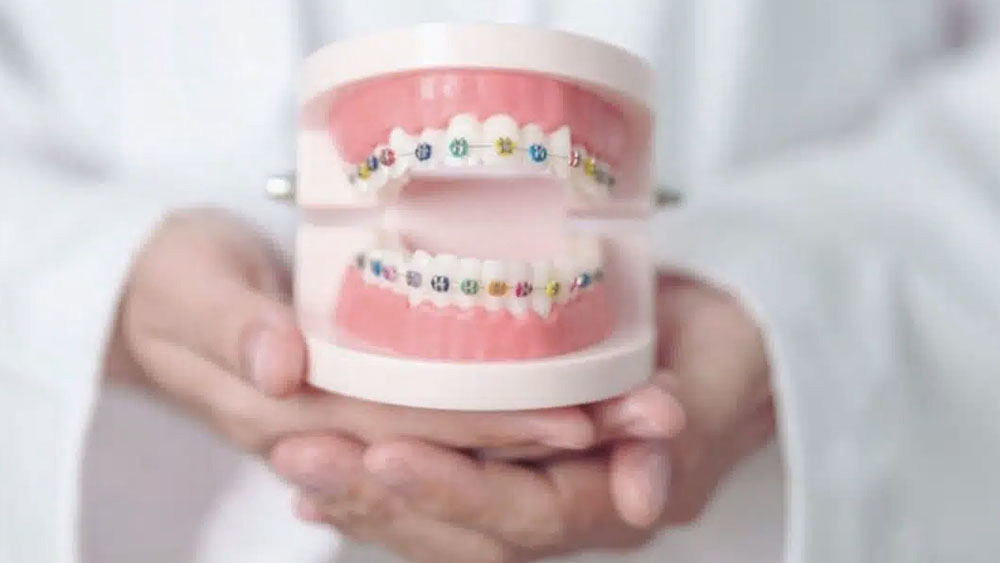
Orthodontics is often associated with achieving a straight, aesthetically pleasing smile. While this is a major benefit, the role of orthodontics extends far beyond cosmetics. Preventative orthodontics, particularly early orthodontic treatment and interceptive orthodontics, plays a crucial role in preventing future dental problems and promoting long-term oral health. Understanding how can orthodontics prevent future dental issues and the significant benefits of early orthodontic intervention for children can highlight the importance of a timely orthodontic evaluation.
How can orthodontics prevent future dental issues? By correcting misaligned teeth and bite problems, orthodontics creates a healthier oral environment. Crooked or crowded teeth are more difficult to clean effectively, increasing the risk of plaque buildup, cavities, and gum disease. When teeth are properly aligned, brushing and flossing become much more efficient, significantly reducing these risks. Furthermore, a proper bite ensures that chewing forces are distributed evenly across the teeth, reducing excessive wear and tear on individual teeth and preventing potential issues like chipped teeth or TMJ disorders.
Preventative orthodontics focuses on identifying and addressing potential problems early, often while a child's jaw is still developing. Early orthodontic treatment, sometimes called interceptive orthodontics, typically takes place while a child still has some primary (baby) teeth. The goal is to intercept developing problems before they become more severe and require more complex treatment later on.
The benefits of early orthodontic intervention for children are numerous. It can help guide jaw growth, create more space for crowded erupting permanent teeth, correct harmful oral habits like thumb sucking, reduce the risk of trauma to protruding front teeth, and improve the bite. Addressing these issues early can often shorten the duration or reduce the complexity of future comprehensive orthodontic treatment. In some cases, interceptive orthodontics may even eliminate the need for future treatment altogether. It's about creating a better foundation for the permanent teeth and jaw.
The long-term oral health advantages of orthodontic treatment are substantial. A properly aligned bite and straight teeth are easier to clean, reducing the lifetime risk of cavities and gum disease. Preventing excessive wear on certain teeth due to a misaligned bite can help preserve tooth structure and reduce the need for future restorative work like crowns or fillings. A healthy bite also contributes to better chewing function and can alleviate or prevent issues related to the temporomandibular joint.
For adults, while jaw growth is complete, orthodontic treatment can still significantly improve long-term oral health. Straightening teeth can make them easier to clean, improve gum health, and prepare the mouth for restorative procedures like implants or bridges by creating proper spacing.
In conclusion, the role of orthodontics extends significantly into the realm of prevention. Through preventative orthodontics, early orthodontic treatment, and interceptive orthodontics, dental professionals can proactively address issues that could lead to more serious problems down the line. Understanding how can orthodontics prevent future dental issues, recognizing the valuable benefits of early orthodontic intervention for children, and appreciating the long-term oral health advantages of orthodontic treatment are key to investing in a healthier smile for life. An orthodontic evaluation at the recommended age (typically around age 7) can help determine if early intervention is necessary and set the stage for optimal oral health.