

Smoking is a habit with far-reaching negative consequences for overall health, and its detrimental effects on oral health are particularly significant. Understanding the impact of smoking and teeth, including its strong link to oral cancer and how it exacerbates gum disease, is crucial for anyone who smokes. This guide will explore the profound ways smoking harms your mouth, detail the link between smoking and increased risk of oral cancer, explain how smoking worsens gum disease and hinders healing, and highlight the undeniable benefits of quitting smoking for your dental health.
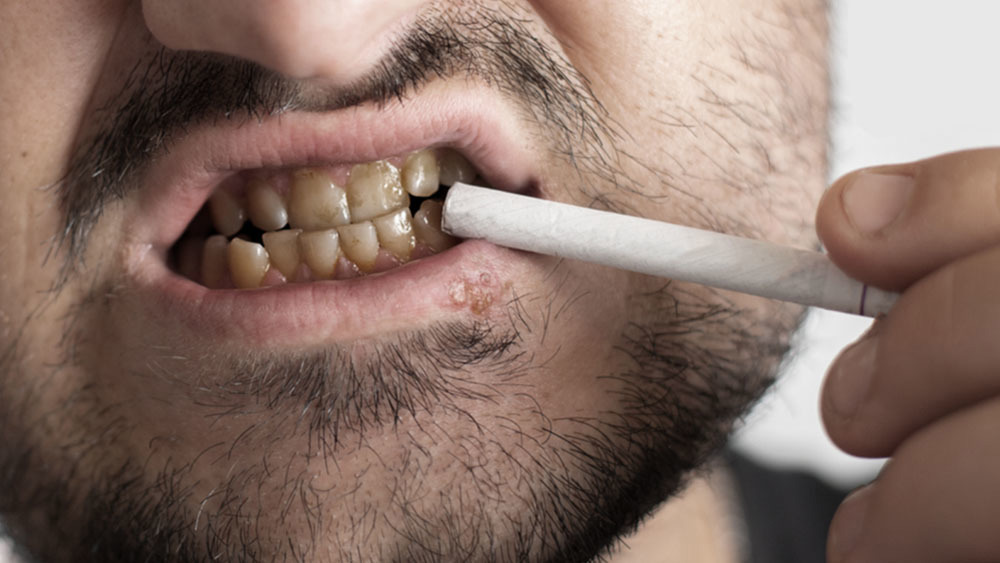
The visible effects of smoking and teeth are often the first to appear. Smoking can cause yellowing or staining of the teeth due to the nicotine and tar in tobacco. Beyond aesthetics, smoking significantly increases your risk of developing various oral health problems.
Perhaps one of the most serious consequences is oral cancer. The link between smoking and increased risk of oral cancer is well-established and alarming. Smoking, including cigarettes, cigars, and pipes, is a major risk factor for cancers of the mouth, throat, lip, and tongue. The harmful chemicals in tobacco irritate the cells in the mouth, leading to genetic changes that can result in cancerous growth. Smokers are many times more likely to develop oral cancer than non-smokers, and the risk increases with the amount and duration of smoking. Early detection is crucial for successful treatment of oral cancer, making regular dental check-ups even more vital for smokers.
Beyond cancer, smoking has a devastating impact on gum health. Gum disease, also known as periodontal disease, is a bacterial infection that affects the gums and the bone supporting the teeth. Smoking is a major risk factor for developing gum disease and makes it much more severe and harder to treat. How smoking worsens gum disease and hinders healing is multifaceted. Smoking reduces blood flow to the gums, which impairs the body's ability to fight infection and heal. It also affects the normal function of gum tissue cells, making them more susceptible to damage. Smokers often experience deeper gum pockets, greater bone loss around their teeth, and a less favorable response to gum disease treatments compared to non-smokers. The signs of gum disease, such as bleeding gums, may even be masked in smokers due to reduced blood flow, leading to delayed diagnosis and treatment.
Other negative impacts of smoking and teeth include an increased risk of cavities, likely due to reduced saliva flow and changes in the bacteria in the mouth. Smoking can also cause bad breath (halitosis), delay healing after dental procedures like extractions or oral surgery, and increase the risk of complications with dental implants.
The good news is that it's never too late to experience the benefits of quitting smoking for your dental health. Quitting smoking significantly reduces your risk of developing oral cancer and other oral health problems. Your gums will begin to heal and respond better to treatment. The risk of gum disease progression slows down, and your chances of keeping your teeth for longer increase dramatically. Bad breath improves, and your overall oral hygiene becomes more effective. Healing after dental procedures will be faster and smoother.
In conclusion, the impact of smoking and teeth and overall oral health is overwhelmingly negative, significantly increasing the risk of severe conditions like oral cancer and worsening gum disease. Understanding the link between smoking and increased risk of oral cancer and how smoking worsens gum disease and hinders healing should serve as a powerful motivator to quit. The benefits of quitting smoking for your dental health are immediate and long-lasting, leading to a healthier mouth, a brighter smile, and a reduced risk of serious diseases. If you smoke, talk to your doctor or dentist about resources and support available to help you quit. Your smile will thank you.