

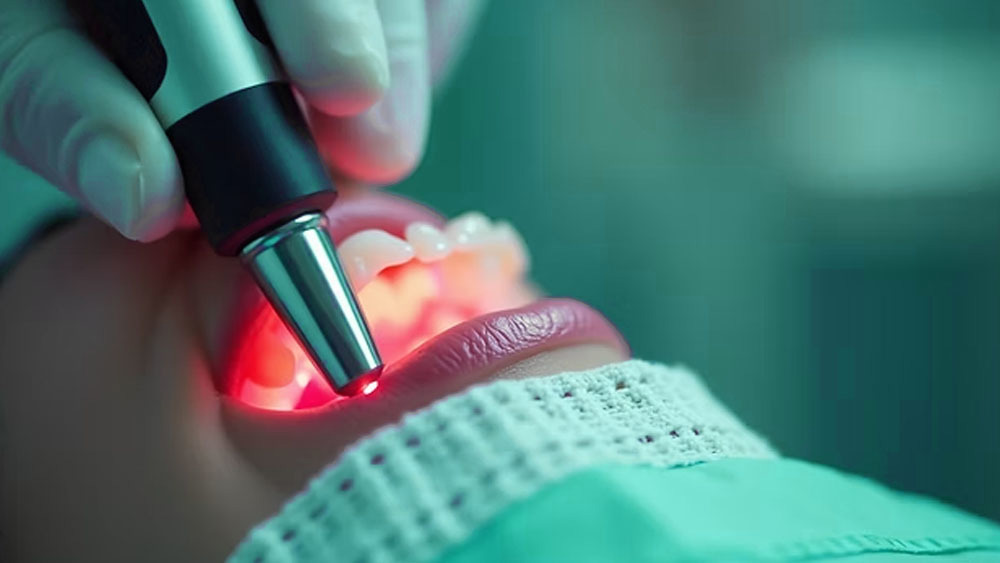
Modern dentistry is continuously evolving, incorporating advanced technologies to enhance patient care and treatment outcomes. One such innovation that has revolutionized many procedures is laser dentistry. Utilizing concentrated beams of light, the dental laser offers a less invasive, more comfortable alternative for a variety of treatments. Understanding what are the benefits of using laser in dentistry, exploring the different applications of laser dentistry in treatments, and knowing if is laser dentistry safe and effective can help you appreciate this cutting-edge approach.
So, what are the benefits of using laser in dentistry? Compared to traditional dental tools like drills and scalpels, laser dentistry often results in less pain, swelling, and bleeding during and after procedures. The precision of the dental laser allows dentists to target specific tissues without affecting surrounding areas, leading to faster healing times and reduced need for anesthesia in many cases. Lasers can also sterilize the area they are working on, minimizing the risk of infection. For patients with dental anxiety, the quiet operation of a dental laser, as opposed to the sound of a drill, can make the dental experience much more comfortable.
The different applications of laser dentistry in treatments are quite diverse, making it a versatile tool in modern dentistry. Lasers are commonly used for soft tissue procedures, such as treating gum disease by removing infected tissue and sterilizing pockets. They can also be used for gum reshaping (gingivoplasty) or removing overgrown gum tissue. In some cases, lasers can be used to perform frenectomies (releasing a tongue or lip tie) with minimal bleeding and discomfort.
For hard tissue procedures, certain types of dental laser can be used to remove decay from a tooth, often without the need for a drill or anesthesia for small cavities. Lasers can also be used to prepare teeth for fillings, though their use in complex cavity preparations or for removing old fillings is still evolving. Additionally, lasers have applications in teeth whitening, accelerating the bleaching process. They can also be used in root canal treatments to sterilize the canal and remove infected tissue.
A crucial question for patients is, is laser dentistry safe and effective? When performed by a trained and experienced dental professional, laser dentistry is considered safe and highly effective for its approved applications. The specific wavelength and power of the dental laser are carefully controlled for each procedure to ensure safety and optimal results. Like any medical procedure, there are potential risks, but they are generally minimal when the treatment is performed correctly. Dentists using lasers undergo specialized training to understand the technology and its appropriate applications.
The advancements in laser dentistry are a significant step forward in modern dentistry, offering patients more comfortable and efficient treatment options. The ability to perform procedures with greater precision, less bleeding, and faster healing times makes the dental laser a valuable tool for many dental needs.
In conclusion, laser dentistry represents a modern and beneficial approach to dental care. Understanding what are the benefits of using laser in dentistry, recognizing the different applications of laser dentistry in treatments, and being assured that is laser dentistry safe and effective when performed by a qualified professional can help you appreciate the advantages of this technology. If you are considering a dental procedure, discuss with your dentist whether laser dentistry is a suitable option for your specific needs and how it might enhance your treatment experience within the realm of modern dentistry.