

Diabetes is a chronic condition that impacts various parts of the body, and its effects on dental health are particularly significant. Individuals with diabetes are at a higher risk of developing oral health problems, including severe gum disease. Understanding the intricate link between diabetes and dental health, the increased susceptibility to gum disease diabetes, and other potential oral complications diabetes is crucial for effective management and prevention.
One of the primary reasons why are people with diabetes more prone to gum infections lies in the body's impaired ability to fight off bacteria. High blood sugar levels can affect the immune system, making it harder for the body to combat the bacteria responsible for gum disease. Additionally, high glucose levels in saliva can provide a breeding ground for bacteria. This increased vulnerability means that even with good oral hygiene, individuals with diabetes may be more susceptible to developing gum infections.
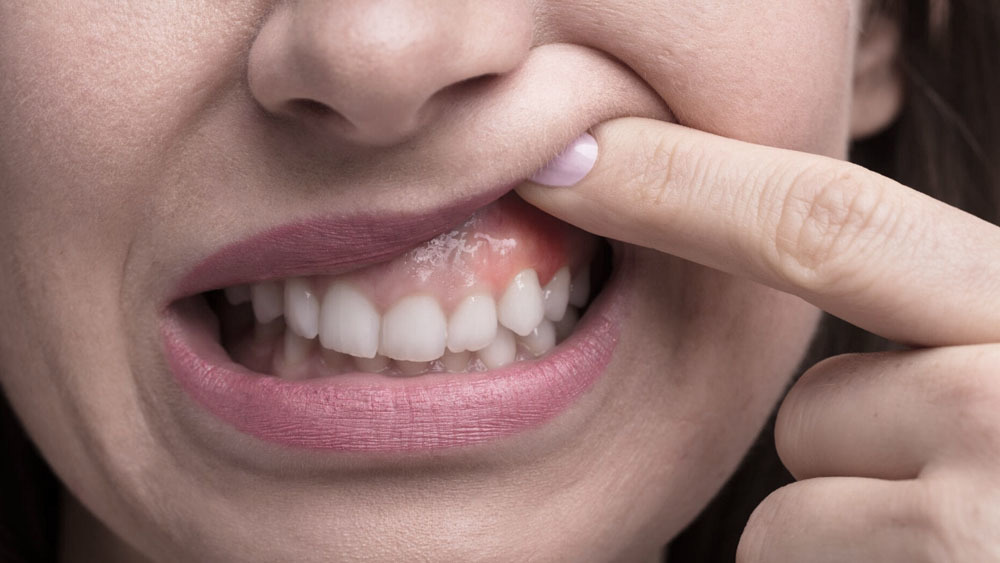
Gum disease, ranging from the early stage of gingivitis to the more severe periodontitis, is a common and serious oral complication diabetes. Gingivitis, characterized by red, swollen, and bleeding gums, is inflammation caused by plaque buildup. If not treated, it can progress to periodontitis, where the gums pull away from the teeth, forming pockets that become infected. This infection can damage the bone and tissues supporting the teeth, potentially leading to tooth loss. The relationship between gum disease diabetes is bidirectional; not only does diabetes increase the risk of gum disease, but severe gum disease can also make it harder to control blood sugar levels.
Other oral complications diabetes can include dry mouth (xerostomia), which increases the risk of cavities and oral infections, fungal infections like thrush, altered taste sensation, and delayed wound healing after oral surgery or procedures.
Given these increased risks, it's vital for individuals with diabetes to be proactive about their oral health. Here are some tips for managing oral health if you have diabetes:
- Maintain Excellent Oral Hygiene: Brush your teeth at least twice a day with fluoride toothpaste and floss daily to remove plaque and food particles.
- Control Your Blood Sugar: This is perhaps the most crucial step. The importance of blood sugar control for dental health cannot be overemphasized. Well-controlled blood sugar levels significantly reduce the risk and severity of dental complications.
- Visit Your Dentist Regularly: Schedule regular dental check-ups and professional cleanings, typically every six months, or more often if recommended by your dentist. Inform your dentist about your diabetes status and any changes in your medication or health.
- Monitor for Signs of Gum Disease: Be vigilant for signs of gum problems, such as red, swollen, or bleeding gums, persistent bad breath, or loose teeth. Report any changes to your dentist immediately.
- Address Dry Mouth: If you experience dry mouth, talk to your dentist about strategies to manage it, such as using sugar-free candies or gum, or artificial saliva products.
- Avoid Smoking: Smoking further increases the risk of gum disease and other oral health problems, especially in individuals with diabetes. Quitting smoking is highly recommended.
- Ensure Proper Denture Care: If you wear dentures, clean them thoroughly every day and ensure they fit properly to prevent irritation and infections.
The importance of blood sugar control for dental health is a recurring theme because it directly impacts the body's ability to fight infection and heal. When blood sugar levels are consistently within the target range, the risk of developing severe gum disease and other oral complications is significantly reduced.
In conclusion, diabetes and dental health are closely intertwined. Individuals with diabetes face an increased risk of gum disease diabetes and other oral complications diabetes due to impaired immune function and higher glucose levels in the mouth. Understanding why are people with diabetes more prone to gum infections and implementing diligent tips for managing oral health if you have diabetes, particularly focusing on the importance of blood sugar control for dental health, are essential steps in preserving oral health and overall well-being. Regular communication with both your doctor and dentist is key to managing diabetes and its potential impact on your smile.