

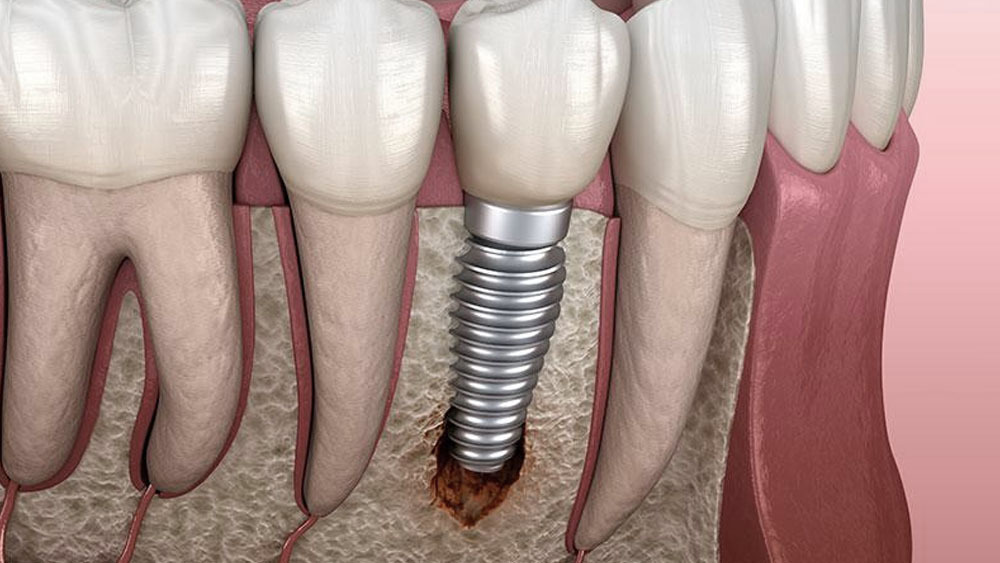
Dental implants are widely recognized as a highly successful and durable solution for replacing missing teeth, offering a natural look and feel. However, while their success rate is very high, the possibility of dental implant failure does exist. Understanding why a failed dental implant can occur, recognizing the potential implant complications, and knowing the steps for prevention are crucial for anyone considering or currently having dental implants. This guide will explore what are the risk factors for dental implant failure, outline how to prevent dental implant failures, and detail the signs and symptoms of a failing dental implant.
While the majority of dental implant procedures are successful, various factors can contribute to dental implant failure. What are the risk factors for dental implant failure? One of the most significant is poor oral hygiene. Just like natural teeth, implants require diligent cleaning to prevent the buildup of plaque and bacteria. If plaque accumulates around the implant, it can lead to peri-implantitis, an inflammatory condition similar to gum disease that can damage the gum tissue and bone supporting the implant, potentially resulting in a failed dental implant.
Smoking is another major risk factor. Smoking restricts blood flow, which can impair healing and increase the risk of infection around the implant site. Individuals with certain chronic diseases, such as uncontrolled diabetes, also have a higher risk of implant complications because these conditions can affect the body's ability to heal and fight infection.
Insufficient jawbone density or quality at the implant site can also contribute to failure. For an implant to be stable and successful, it needs to fuse properly with healthy bone (osseointegration). If there isn't enough bone, or if the bone isn't strong, the implant may not integrate correctly or can become loose over time. Certain medications, such as those for osteoporosis, can also impact bone healing and may be a risk factor.
Poor surgical technique or improper placement of the implant can also lead to early dental implant failure. This emphasizes the importance of choosing a qualified and experienced dental surgeon. Excessive force placed on the implant, either during the healing phase or from habits like teeth grinding (bruxism), can also compromise its stability.
Fortunately, there are many steps you can take on how to prevent dental implant failures. The most important is maintaining excellent oral hygiene. This means brushing twice a day, flossing daily (using specialized techniques or tools around the implant as recommended by your dentist), and using an antimicrobial mouthwash if advised. Regular dental check-ups and professional cleanings are also essential for monitoring the health of your implants and surrounding tissues. Your dentist can identify early signs of potential problems and provide targeted care.
If you smoke, quitting is one of the most impactful steps you can take to protect your dental implants. For individuals with diabetes or other chronic conditions, managing these conditions effectively is crucial for reducing the risk of implant complications. If you grind or clench your teeth, your dentist may recommend a night guard to protect your implants from excessive force. Choosing a highly skilled and experienced dental implant surgeon is also paramount. Following all pre- and post-operative instructions provided by your surgeon is vital for proper healing and integration.
Recognizing the signs and symptoms of a failing dental implant can allow for early intervention, which may save the implant. These signs include pain or discomfort around the implant, swelling or redness of the gums, bleeding when brushing or touching the area, receding gums around the implant, and the implant feeling loose or mobile. If you notice any of these symptoms, contact your dentist or oral surgeon immediately.
In conclusion, while dental implant failure is possible, it is not common, and many risks can be mitigated. Understanding what are the risk factors for dental implant failure, taking proactive steps on how to prevent dental implant failures through excellent oral hygiene and managing overall health, and being aware of the signs and symptoms of a failing dental implant are crucial for the long-term success of your dental implants. By working closely with your dental team and taking good care of your oral health, you can significantly increase the longevity and success of your tooth replacement.